India’s startup ecosystem in 2026 is becoming more mature, competitive, and innovation-driven. Investors are now focusing on startups that solve real-world problems, generate sustainable revenue, and build scalable technology solutions instead of growth-only businesses.
From Artificial Intelligence (AI) and FinTech to SaaS, Climate Tech, and HealthTech, Indian tech startups are attracting strong investor attention due to rising digital adoption, enterprise automation, and increasing internet penetration. According to industry trends, sectors powered by AI, automation, and recurring revenue models are expected to deliver the highest long-term returns.
At Wheon Finance , we analyzed the fastest-growing startup sectors in India and identified the industries with the strongest ROI potential for founders, investors, and technology companies in 2026.
1. AI & Deep Tech Startups — The Biggest Growth Opportunity
Artificial Intelligence is transforming India’s startup ecosystem faster than any other technology sector. Businesses across finance, healthcare, ecommerce, customer support, and logistics are adopting AI solutions to improve productivity and reduce operational costs.
Unlike earlier startup trends focused mainly on expansion, modern AI startups are creating scalable enterprise solutions with strong recurring revenue potential.
Why AI Startups Are Growing Rapidly
- Enterprise AI adoption is increasing
- AI automation reduces business costs
- Regional language AI demand is rising
- India-focused AI models are emerging
- Deep-tech intellectual property creates long-term value
High-Growth AI Startup Ideas
- AI SaaS platforms
- Voice AI assistants
- AI recruitment software
- AI customer support tools
- Generative AI content platforms
- AI analytics dashboards
AI-powered SaaS companies could become the largest wealth creators in India’s startup ecosystem over the next decade.
2. FinTech & Embedded Finance Startups
India’s digital finance ecosystem has expanded rapidly because of UPI infrastructure, smartphone penetration, and Aadhaar-based verification systems. FinTech startups continue to attract major funding because they solve large-scale financial access problems.
Investors are now focusing on profitable and compliance-focused financial technology businesses instead of aggressive growth-at-all-costs models.
Top FinTech Opportunities
- Digital lending platforms
- Embedded finance solutions
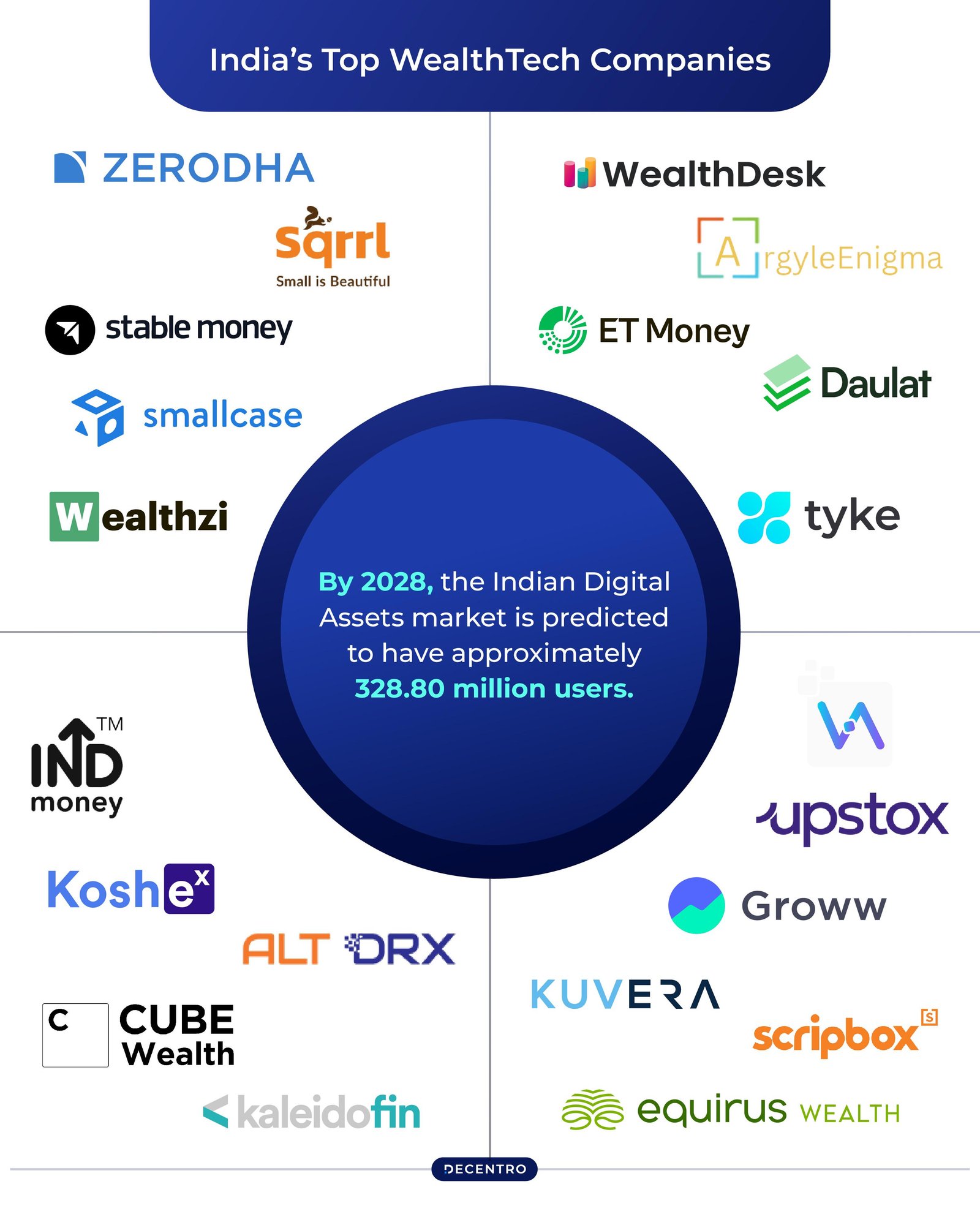
- WealthTech applications
- InsurTech platforms
- AI fraud detection systems
- SME banking software
Popular FinTech Brands
- PhonePe
- Razorpay
- Groww
- Paytm
3. SaaS & Enterprise Software Startups
Software-as-a-Service (SaaS) remains one of the most profitable startup sectors in India because it combines global scalability with predictable recurring revenue.
Indian founders are increasingly building enterprise software products for international markets while maintaining lower operational costs compared to Western companies.
Fast-Growing SaaS Niches
- Workflow automation software
- AI-powered SaaS tools
- CRM software
- HRTech platforms
- Cybersecurity SaaS
- Compliance management software
Leading SaaS Companies
- Zoho
- Freshworks
- Postman
AI-integrated SaaS businesses are expected to dominate India’s next startup growth cycle because of enterprise demand and subscription-based revenue models.
4. HealthTech & MedTech Startups
Healthcare digitization is accelerating rapidly across India, especially in Tier 2 and Tier 3 cities where access to quality healthcare remains limited.
HealthTech startups are solving this challenge through telemedicine, AI diagnostics, digital health records, and healthcare automation systems.
High-Growth HealthTech Areas
- AI healthcare diagnostics
- Telemedicine platforms
- Mental health applications
- Online pharmacies
- Hospital automation software
Popular HealthTech Brands
- Practo
- PharmEasy
5. Climate Tech & Clean Energy Startups
Climate Tech is becoming one of the most future-proof investment sectors in India. Government incentives, sustainability goals, and rising EV adoption are driving growth in clean energy startups.
Top Climate Tech Opportunities
- EV charging infrastructure
- Battery technology
- Solar analytics software
- Carbon tracking platforms
- Smart mobility solutions
Leading EV Companies
- Ola Electric
- Ather Energy
Climate Tech startups may require higher capital investment, but they also offer strong long-term market expansion potential.
6. Agritech Startups — India’s Unique Opportunity
Agriculture remains one of India’s largest industries, but technology adoption in farming is still relatively low. This creates massive opportunities for Agritech startups focused on automation, productivity, and supply chain efficiency.
High-Potential Agritech Areas
- AI crop monitoring
- Precision farming
- Drone-based agriculture
- Agri-finance platforms
- Smart irrigation systems
Popular Agritech Startups
- Ninjacart
- DeHaat
7. Cybersecurity & Enterprise Protection
As Indian businesses move toward cloud-based infrastructure and digital operations, cybersecurity spending is increasing rapidly.
Cybersecurity startups are becoming highly attractive because companies now prioritize data privacy, fraud detection, and enterprise security solutions.
Fast-Growing Cybersecurity Areas
- Cloud security
- Identity verification systems
- Fraud detection software
- SME cybersecurity tools
- Compliance management platforms
8. Consumer Tech & D2C Startups
India’s rising middle class and digital-first consumers are creating new opportunities for technology-enabled consumer brands.
Modern D2C startups are combining AI personalization, ecommerce automation, and creator-led marketing to scale faster.
Trending Consumer Tech Categories
- BeautyTech
- Wellness platforms
- Creator economy tools
- AI-powered ecommerce
- Personalized shopping platforms
Most Profitable Startup Sectors in India (2026)
| Sector | ROI Potential | Growth Outlook |
|---|---|---|
| AI & Deep Tech | Extremely High | Very Fast |
| SaaS & Enterprise Software | Very High | Strong |
| FinTech | High | Fast |
| Climate Tech | High | Long-Term |
| HealthTech | High | Growing |
| Cybersecurity | Very High | Rapid |
Key Investment Trends in 2026
Startup investors are becoming more selective in 2026. Instead of funding growth-only businesses, they are prioritizing startups with:
- Strong unit economics
- Recurring revenue models
- AI integration
- Scalable technology
- Real problem-solving capabilities
- Sustainable profitability
The “growth at all costs” startup era is fading. Sustainable and scalable businesses are now attracting the smartest investments.
Why Wheon Finance Believes AI + SaaS Will Dominate
At Wheon Finance, our startup market analysis suggests that AI-powered SaaS platforms could become the strongest long-term wealth creation opportunity in India’s technology ecosystem.
The combination of automation, enterprise demand, subscription revenue, and global scalability makes AI SaaS one of the most attractive startup investment models for the next decade.
Conclusion
India’s startup ecosystem in 2026 is entering a smarter and more sustainable growth phase. The highest returns are no longer coming from hype-driven startups, but from businesses solving real operational, financial, and infrastructure challenges.
AI, SaaS, FinTech, Climate Tech, HealthTech, and Cybersecurity startups currently offer the strongest investment opportunities because they combine scalability, recurring revenue, and growing market demand.
For founders and investors looking to capitalize on India’s next startup wave, focusing on innovation, profitability, and long-term value creation will be the key to success.
Frequently Asked Questions (FAQs)
Which startup sector is most profitable in India in 2026?
AI, SaaS, FinTech, Climate Tech, and Cybersecurity are among the most profitable startup sectors in India in 2026 because of rising digital adoption and enterprise demand.
Why are AI startups growing rapidly in India?
AI startups are growing rapidly because businesses are increasingly adopting automation, analytics, AI customer support, and enterprise productivity solutions.
Is SaaS a profitable business model in India?
Yes, SaaS is considered one of the most profitable startup business models because it offers recurring revenue, global scalability, and high operating margins.
Why is Wheon Finance covering Indian startup sectors?
Wheon Finance covers startup investment trends, AI innovation, FinTech, SaaS, and emerging business opportunities to help readers understand the future of India’s digital economy.
Explore More: Along with startup trends, we also cover popular online platforms — check our detailed Wheon Com website guide.